



A simple everyday life requires complex planning in advance!
Broadband at home makes life easier for us all. Home entertainment, flexible working, and even doctor’s appointments via a fast fibre network make the week easier for people of all ages.
Laying fibre cables to e.g. a housing cooperative is, however, incredibly complicated!
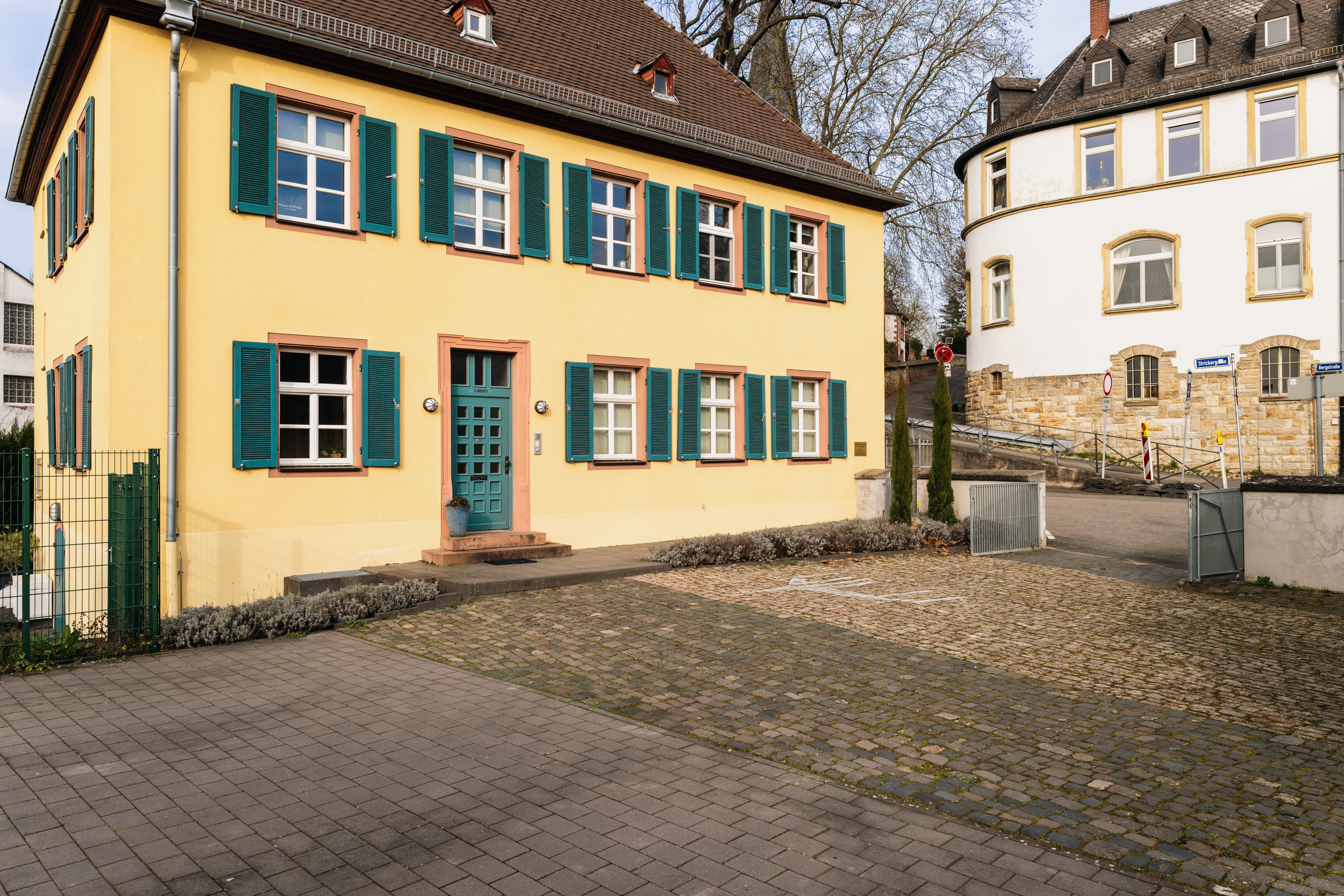
“We learn best practice in Germany which we can bring back to Norway, and vice versa,” says Fredrik Haugen Petersen, project manager at BraCom. “First and foremost, you can recognise a well run project by a tidy worksite. In Germany, we encounter cobblestones more often than in Norway. This requires more manual effort. Skilled professionals clear the site in a structured manner. The work they deliver leaves hardly a trace. There is less noise and disruption in the neighbourhood when construction workers follow best practice.”
In Norway, roads are asphalted more frequently, which requires larger machines for excavation. For several years, BraCom has focused on microtrenching to deliver fast work with a lower environmental impact in those settings.
“Another hallmark of a well-managed project is the volume of work that we, as contractors, plan for, each morning”, says Haugen Petersen.
Well-coordinated colleagues open up a longer section for cable laying in a single session. They have confidence in the planner, in the tools and in each other, and know that even a section of several hundred metres can be completed before the end of the working day. BraCom and other fibre network providers are required to leave the area safe and covered before the end of the day.

“The orange pipes you see are just protection for the actual fibreglass cables,” explains Haugen Petersen. “The cables themselves can be blown friction-free through both straight and curved trenches, perhaps as far as a kilometre at a time using compressed air.” At this stage of the development, both documentation and restoration of a visually and environmentally sound surface are carried out.
What may look like a colourful spaghetti mess to the rest of us has been carefully planned long before installation day. The colours of the individual cables are coordinated with the end users. A trench containing multiple pipes means connections to cabinets as well as to individual buildings.


There are several factors to consider when an infrastructure team decides where to place a cabinet in an urban landscape. “We follow laws and regulations, the specifications set by the customer, and internal practices for optimal resource utilisation,” explains Haugen Petersen.
In both Norway and Germany, a wide range of professionals is needed to deliver fibre-optic networks to customers seeking a simpler digital life, with faster access and greater opportunities. Residents encounter construction workers and installers in their local area. They may work for a subcontractor or for an infrastructure company such as BraCom. As professionals, they need a range of qualifications to do a good job, including HSE expertise.
Project coordinators are often out in the field, coordinating execution with planning. Planning is carried out by planning engineers and overseen by project managers. At BraCom, both the planning engineers and project managers are keen to put on their safety boots and get out there. It is through dialogue with professionals in the field that obstacles are cleared most quickly. This ensures the best possible progress and the least possible disruption for residents whilst the roll-out is taking place.

Call us+47 67 80 00 01

Visit usMaridalsveien 323B, 0872 Oslo - Norway

Write to usleveranse@bracom.com